Concrete Repair & Replacement
Expert concrete restoration services that extend the life of your surfaces and prevent costly damage.
When to Repair vs. Replace Your Concrete
Not every crack or chip means you need to tear out your entire concrete surface. The key is knowing when a simple repair will do the job and when replacement makes more sense. If you catch damage early, repairs can save you thousands compared to full replacement costs.
Minor surface cracks, small chips, and shallow spalling can usually be repaired with specialized patching compounds and resurfacing techniques. These fixes work well when the underlying base is still solid and the damage is limited to the top layer. We assess the structural integrity of your concrete before recommending the best approach.
However, if your concrete has deep cracks that run through the entire slab, multiple broken sections, or severe settling that creates safety hazards, replacement is often the smarter choice. Trying to patch heavily damaged concrete is like putting a bandaid on a broken bone. It might look better temporarily, but the problems will come back worse than before. Our team provides honest assessments of your concrete surfaces so you can make informed decisions.
Signs Your Concrete Needs Attention
- Cracks wider than a quarter inch or cracks that keep growing
- Surface flaking or peeling that exposes aggregate underneath
- Uneven sections that create trip hazards or pooling water
- Discoloration or staining that detracts from curb appeal
- Drainage problems caused by settling or improper slope
Our Concrete Repair Process
Every repair job starts with a thorough inspection of the damaged area. We need to understand what caused the problem in the first place, whether it was poor drainage, tree roots, soil settlement, or just normal wear and tear over time. Fixing the symptom without addressing the cause means the damage will just come back.
For crack repairs, we clean out the damaged area completely and prepare the surface for proper bonding. Depending on the severity, we might use flexible sealants for hairline cracks or polymer-modified repair mortars for larger damage. The goal is creating a repair that moves with your concrete through temperature changes rather than cracking again immediately.
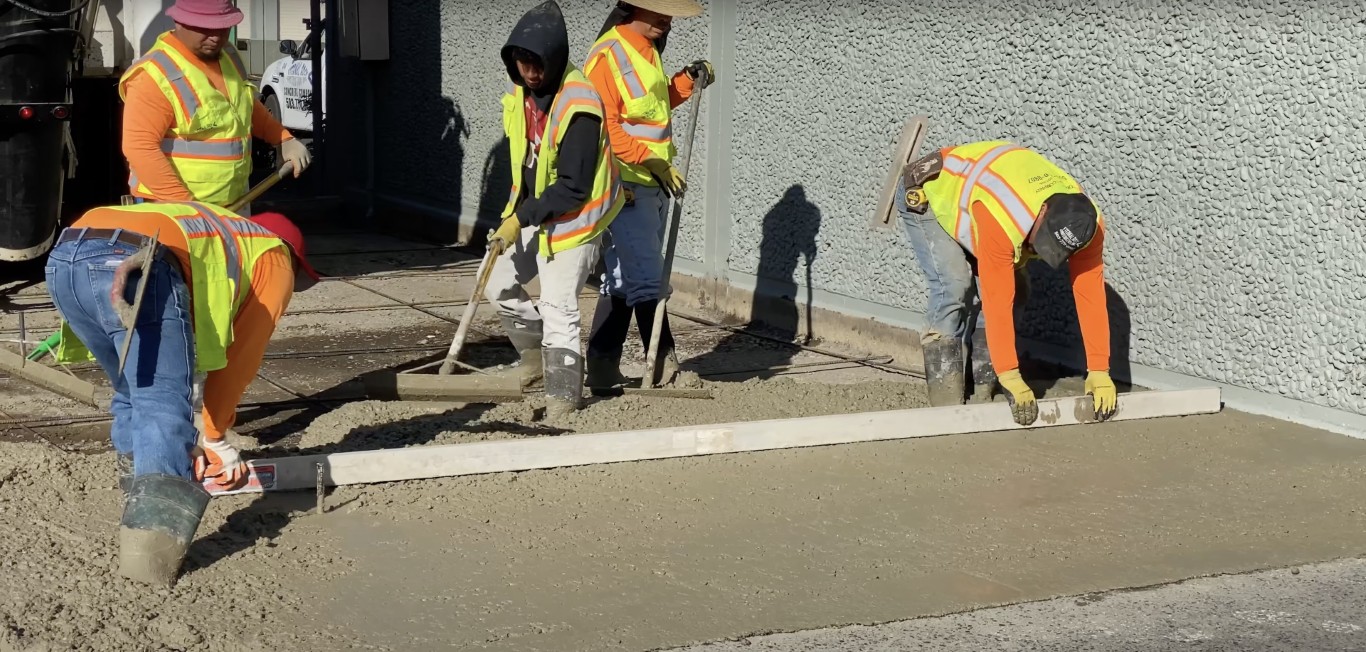
When replacing sections, we carefully remove the damaged concrete without disturbing the surrounding areas that are still in good shape. We then rebuild the base if needed, ensuring proper compaction and drainage before pouring new concrete that matches your existing surfaces. Our repairs blend seamlessly with the original work, so you will not have obvious patches that look different from the rest of your driveway or patio.
Quality Materials Make the Difference
We use commercial-grade repair products designed specifically for Florida weather conditions. Generic patching compounds from the hardware store might seem like a budget-friendly option, but they rarely hold up to our heat, humidity, and intense sun exposure. Professional materials cost more upfront but last significantly longer, saving you money by avoiding repeated repairs.
Preventing Future Concrete Damage
The best repair is the one you never have to do. Once we fix your concrete, we help you understand how to maintain it properly and avoid future problems. Simple steps like keeping gutters clean, maintaining proper grading around your home, and sealing your concrete every few years can prevent many common issues.
Water is concrete's biggest enemy. When water seeps into small cracks and then freezes or just cycles through wet and dry periods, it gradually breaks down the concrete from the inside. Proper drainage is critical. We make sure water flows away from your concrete surfaces rather than pooling on them or seeping underneath where it can erode the base.
Tree roots can also cause major problems over time. While we love the shade and beauty trees provide, their roots naturally seek water and can grow under concrete slabs, slowly lifting and cracking them. If you have trees near your concrete patio or driveway, regular root management and possibly installing root barriers can prevent expensive damage down the road.
Regular Maintenance Extends Concrete Life
Your concrete surfaces should be cleaned at least once a year to remove dirt, organic growth, and stains. Sealing your concrete every two to three years protects it from moisture penetration and surface wear. These simple maintenance tasks can double or even triple the lifespan of your concrete, whether it is original or repaired.
Common Questions About Concrete Repair
Ready to Fix Your Concrete Problems?
Get a free inspection and honest assessment of your concrete repair needs.
Call (772) 710-1526